
Myth-Understood: Octopus Exhibit
[Exhibition and Experience Design]
Title:
Myth-Understood: Octopus Exhibit
Project Brief
For this project, I worked within a team of 3 to develop a brand and experience for our chosen animal, the Octopus, in the Central Park Zoo. In order to create interest in the Octopus without having the actual animal within the exhibit, my team and I designed an immersive experience that brings visitors into their underwater habitat. My role in our team was to help to research and develop the concept and to lead on the design/model of the exhibit.
Project Tasks:
Brand Development
Concept Development
Graphic Identity
Space Planning and Design
3D Modeling
Rendering
Tools:
Rhino 3D
Enscape
Adobe InDesign
Adobe Illustrator
Research
This project started with research within our group on the audience of Central Park Zoo as well as our chosen animal the Octopus. We found many unique facts about the animal and used that as well as myths that Octopi have shown up in to establish our Big Idea and concept direction.
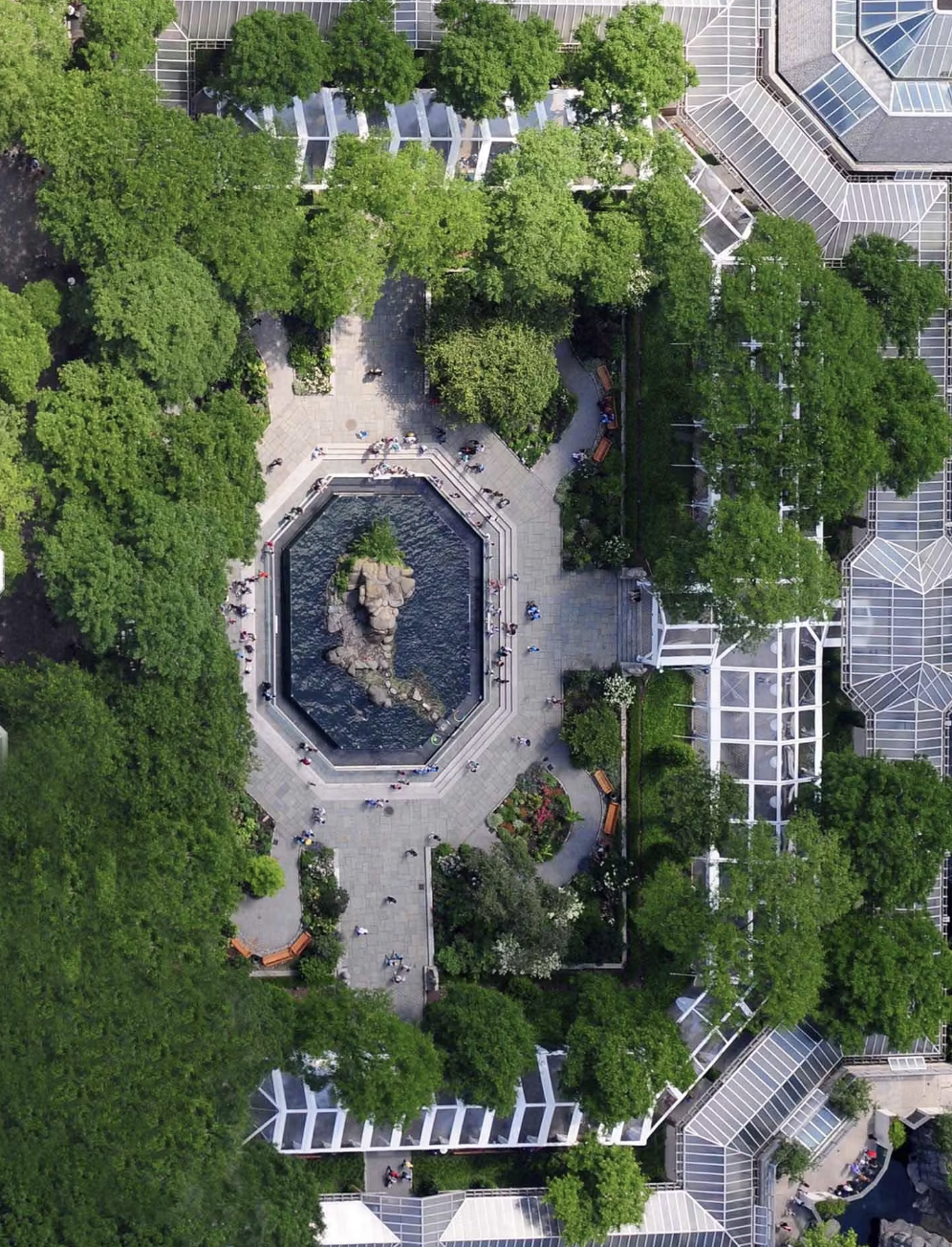
Site Analysis: Central Park Zoo
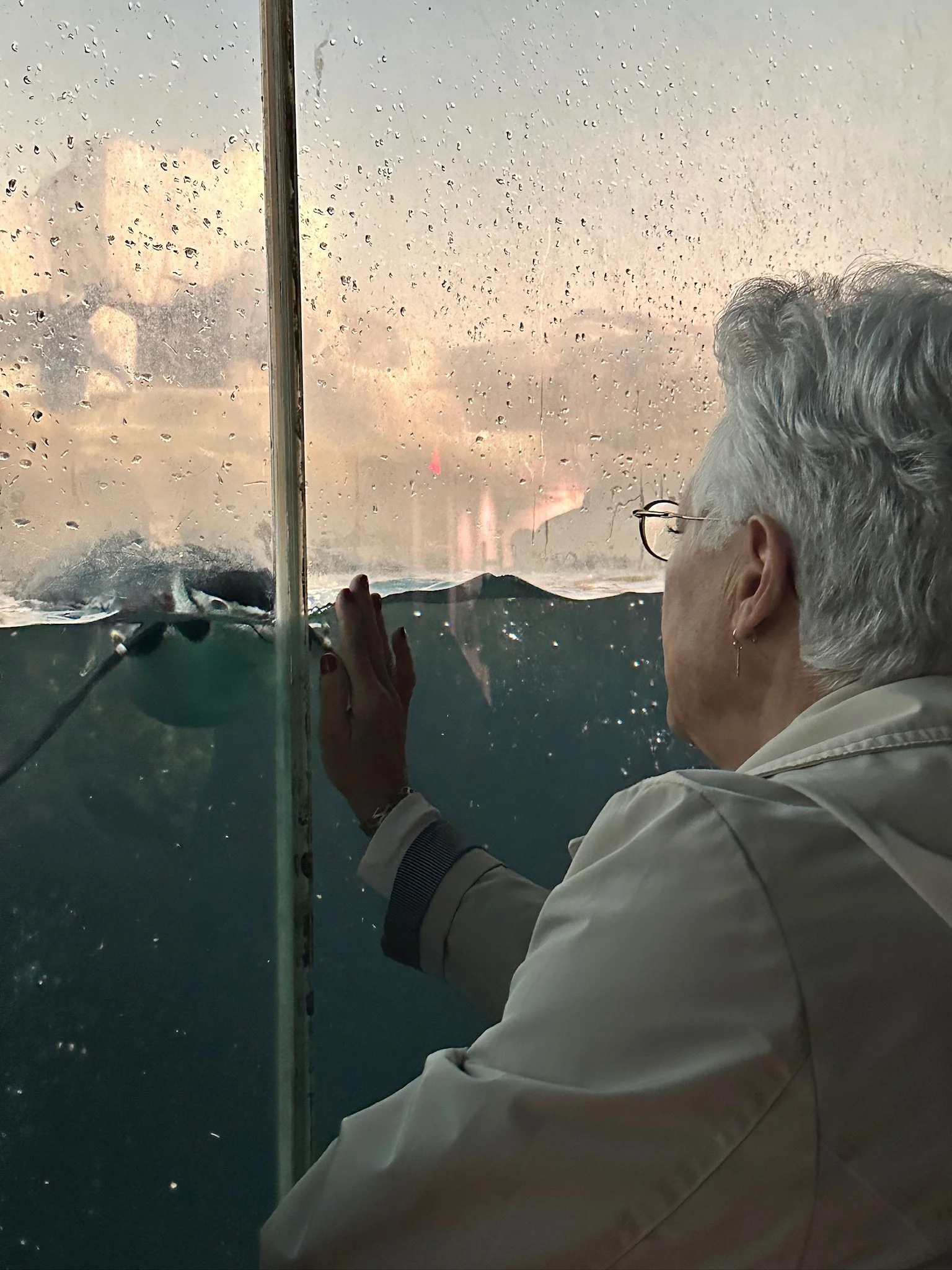
The Central Park Zoo is a 6.5-acre zoo located at the southeast corner of Central Park at the heart of New York City. It is part of an integrated system of four zoos and one aquarium managed by the Wildlife Conservation Society (WCS).

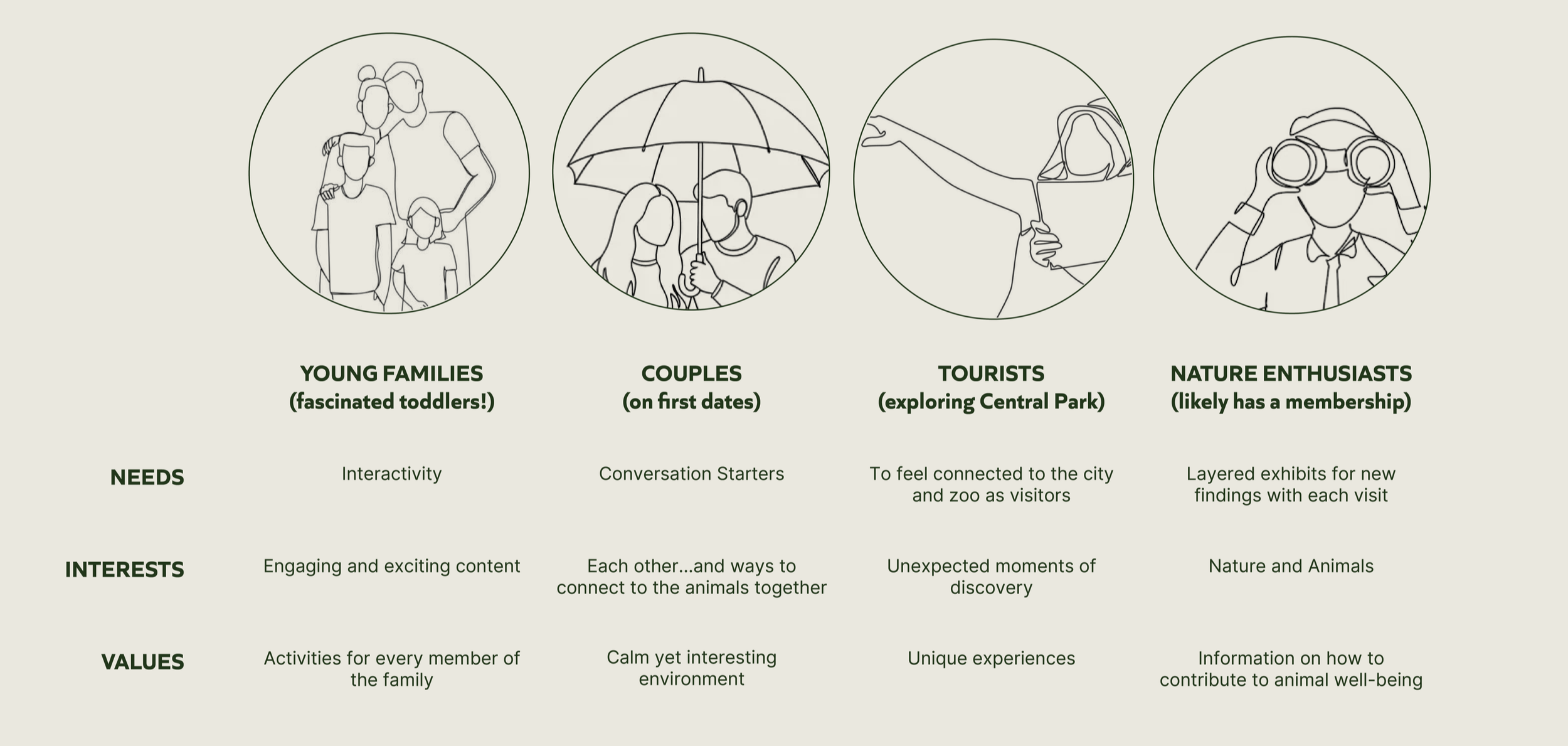
Audience Analysis
Largest brain-to-body ratio of any invertebrate
8 arms, 9 brains (in each arm)
Can recognize human faces, develop bonds and biases against particular people
Females sacrifice their health to raise and protect their young, usually dying because of this
The Kraken is the best known cephalapod creature that was known to terrorize soldiers off the coasts of Norway and Greenland
In Japanese mythology, the octopus, known as Akkorokamui, is seen to have healing properties due to their ability to regenerate limbs. Individuals will leave tribute to aid in recovery
Octopus Research - Key Facts
Mission Statement
MYTH
Octopus’s incredible intelligence has been viewed as threatening throughout history, thus being depicted as villainous creatures in myth and popular culture.
VS
TRUTH
Octopus’s emotional intelligence are what allows them to defend their young and develop relationships with humans. In actuality, they mean no real harm to us and are often threatened by human activities like overfishing and habitat destruction.
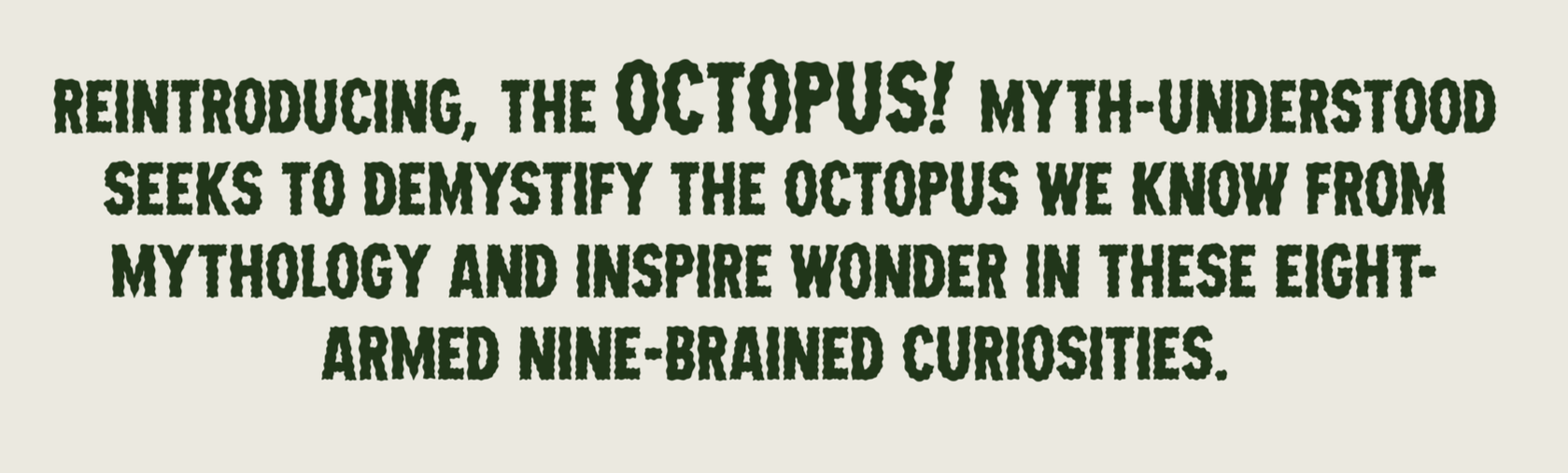
Big Idea
Concept Design
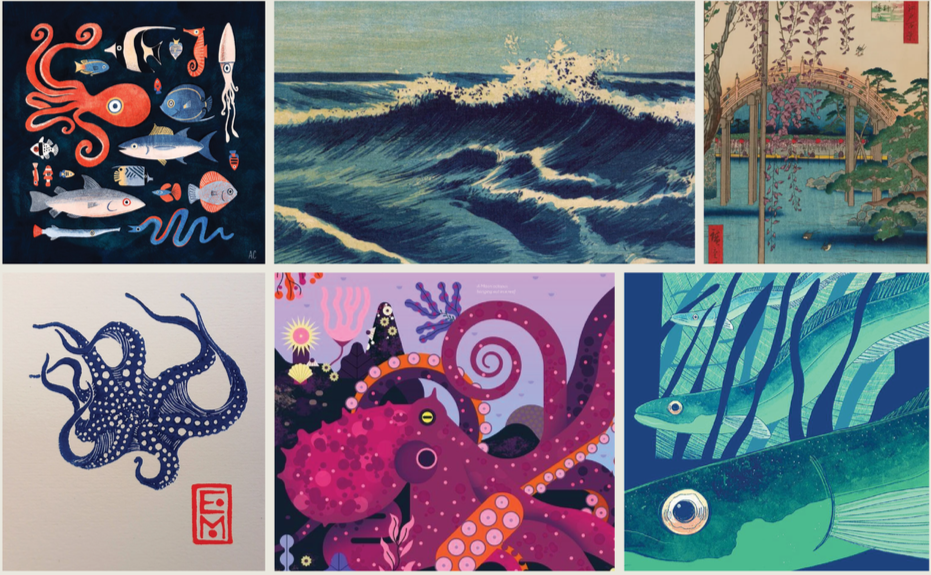
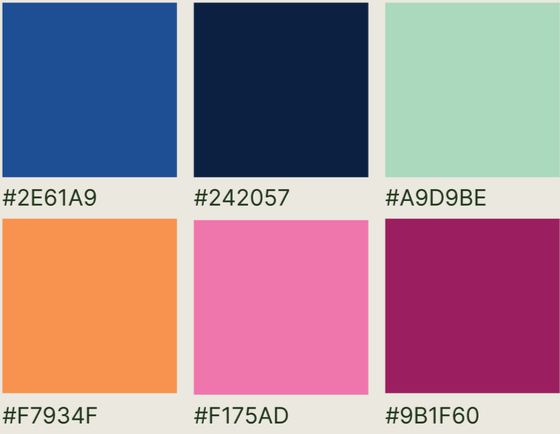
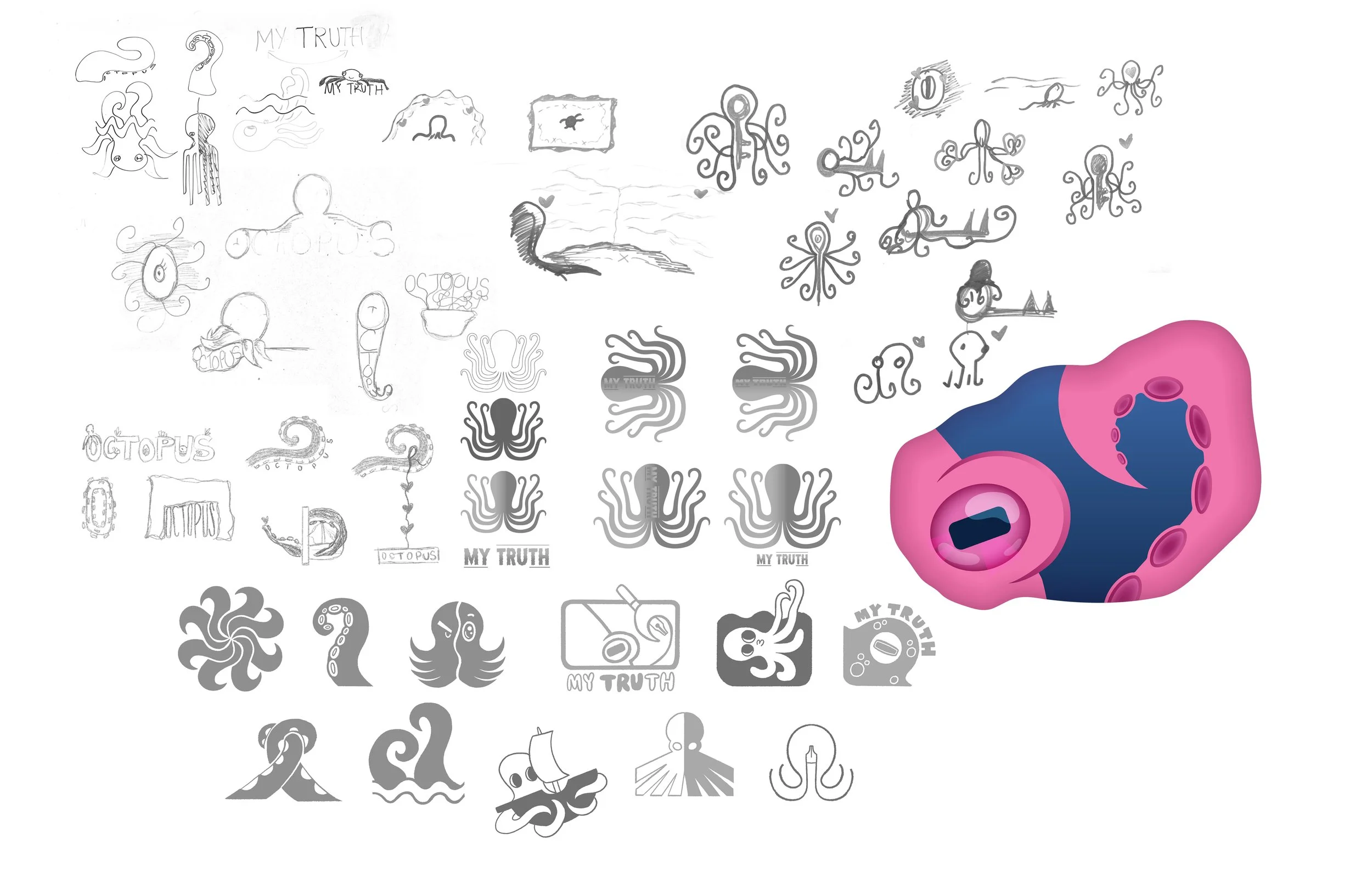
For the look and feel our project, we were inspired by the colors and drawing style of Japanese prints and stylized graphics. Through multiple ideations, we decided to go with the logo created by my teammate, as it fit our concept and worked well with our structural design.
Graphic Mood Board
Color Palette
Logo Development
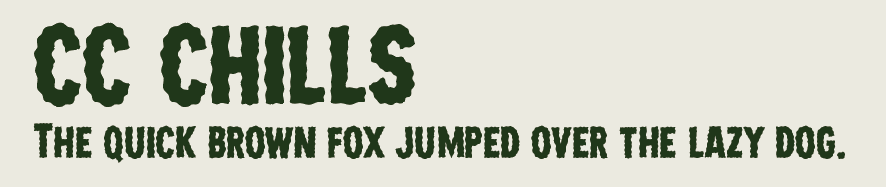
Typography
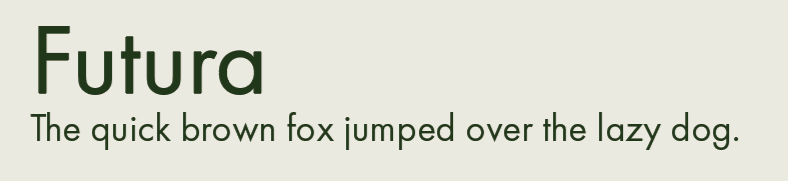
Exhibit Development
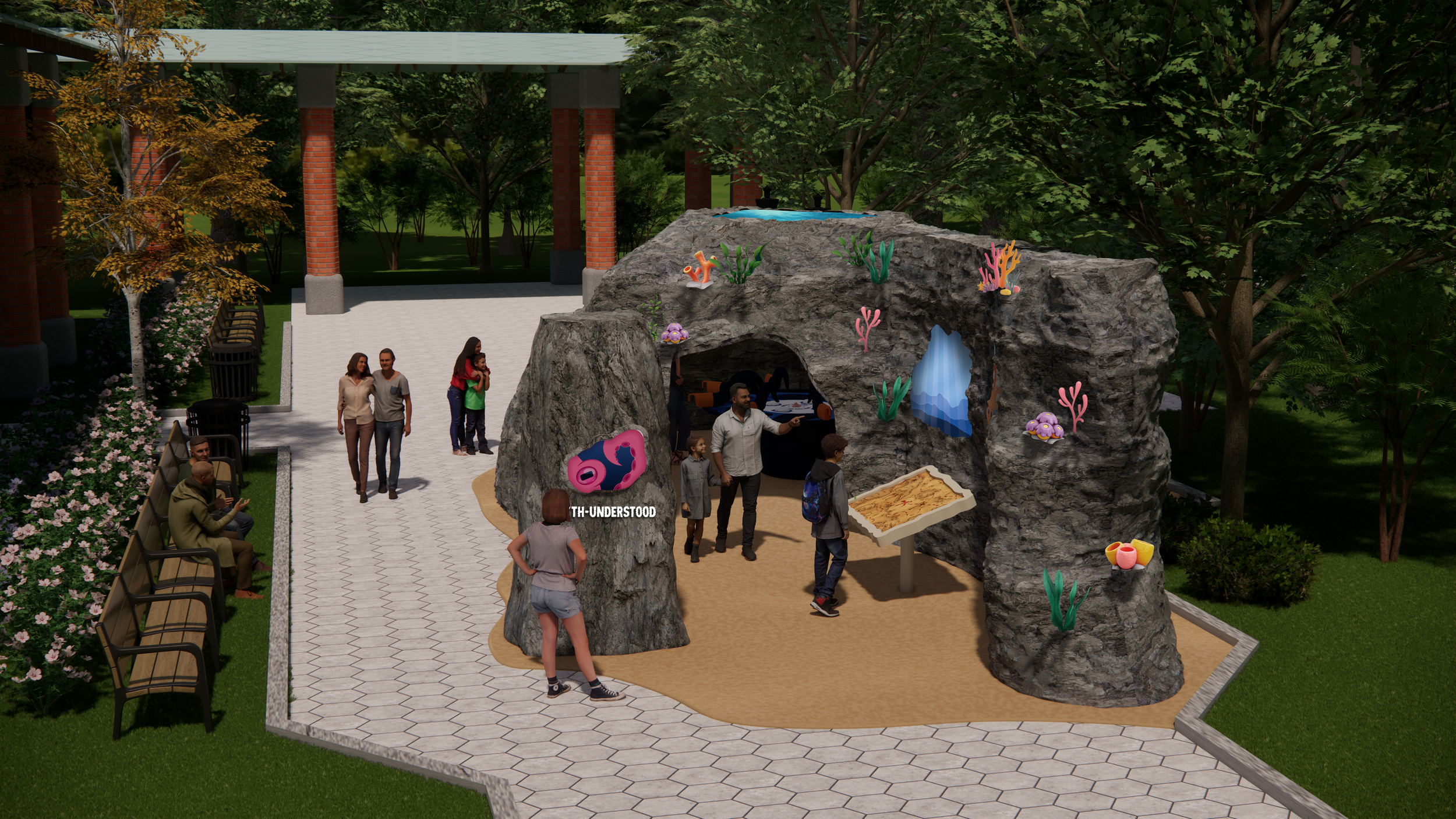
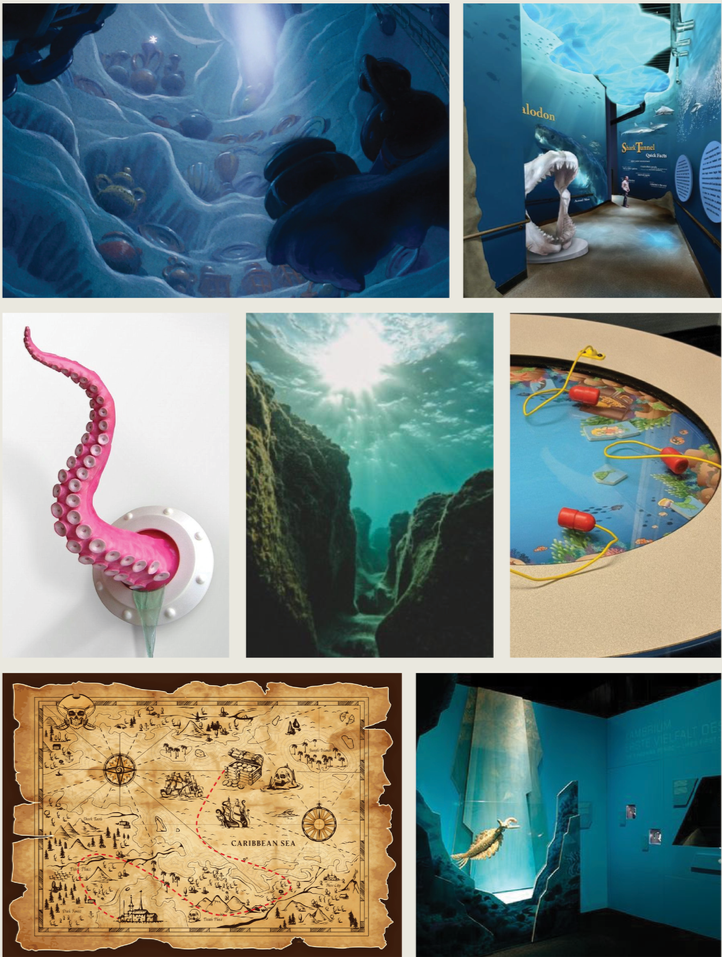
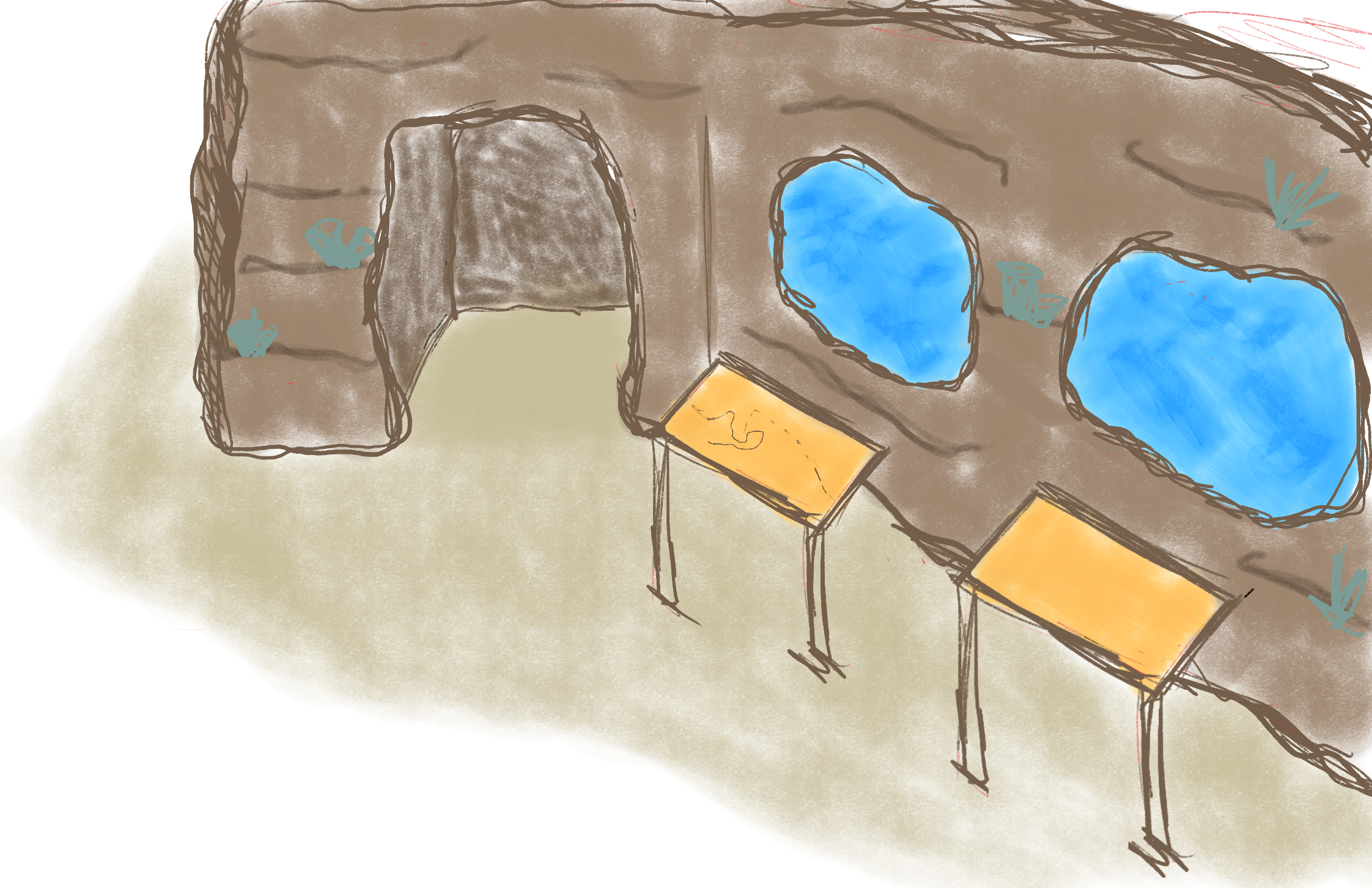
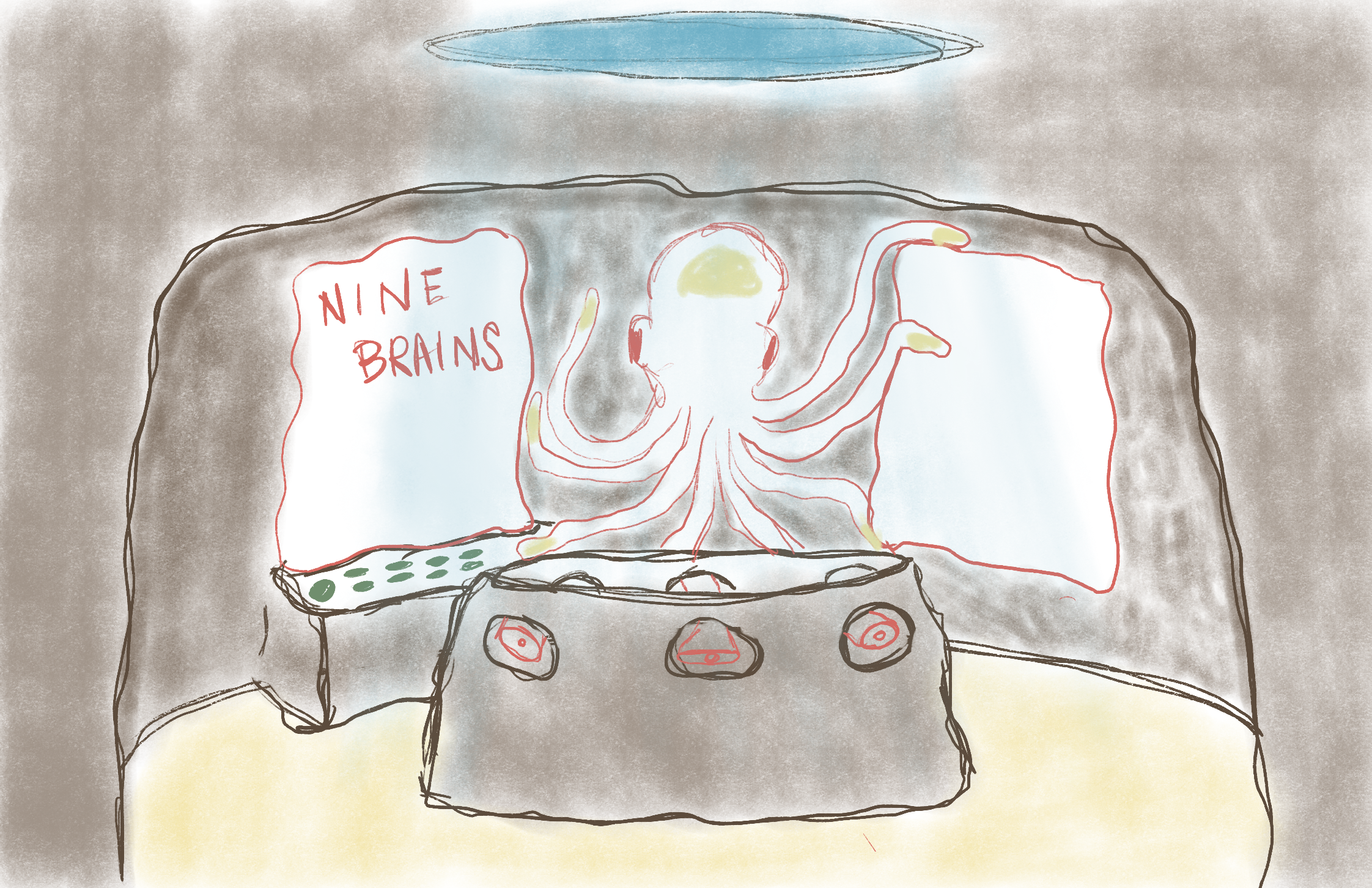
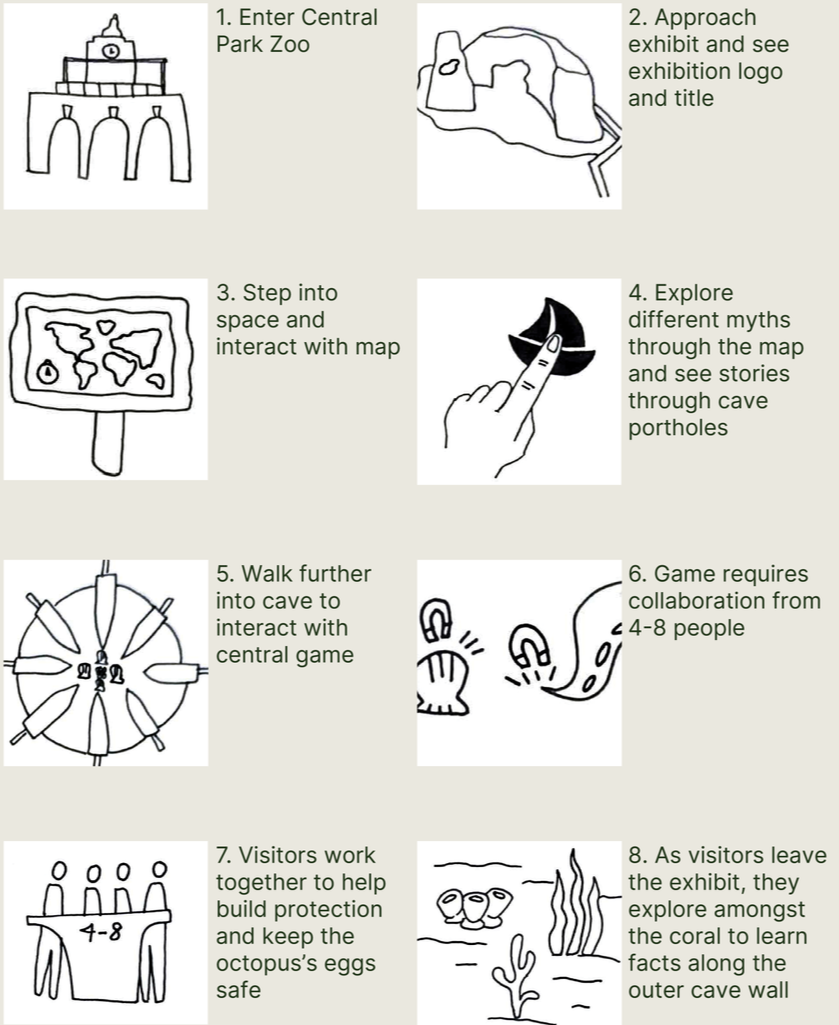
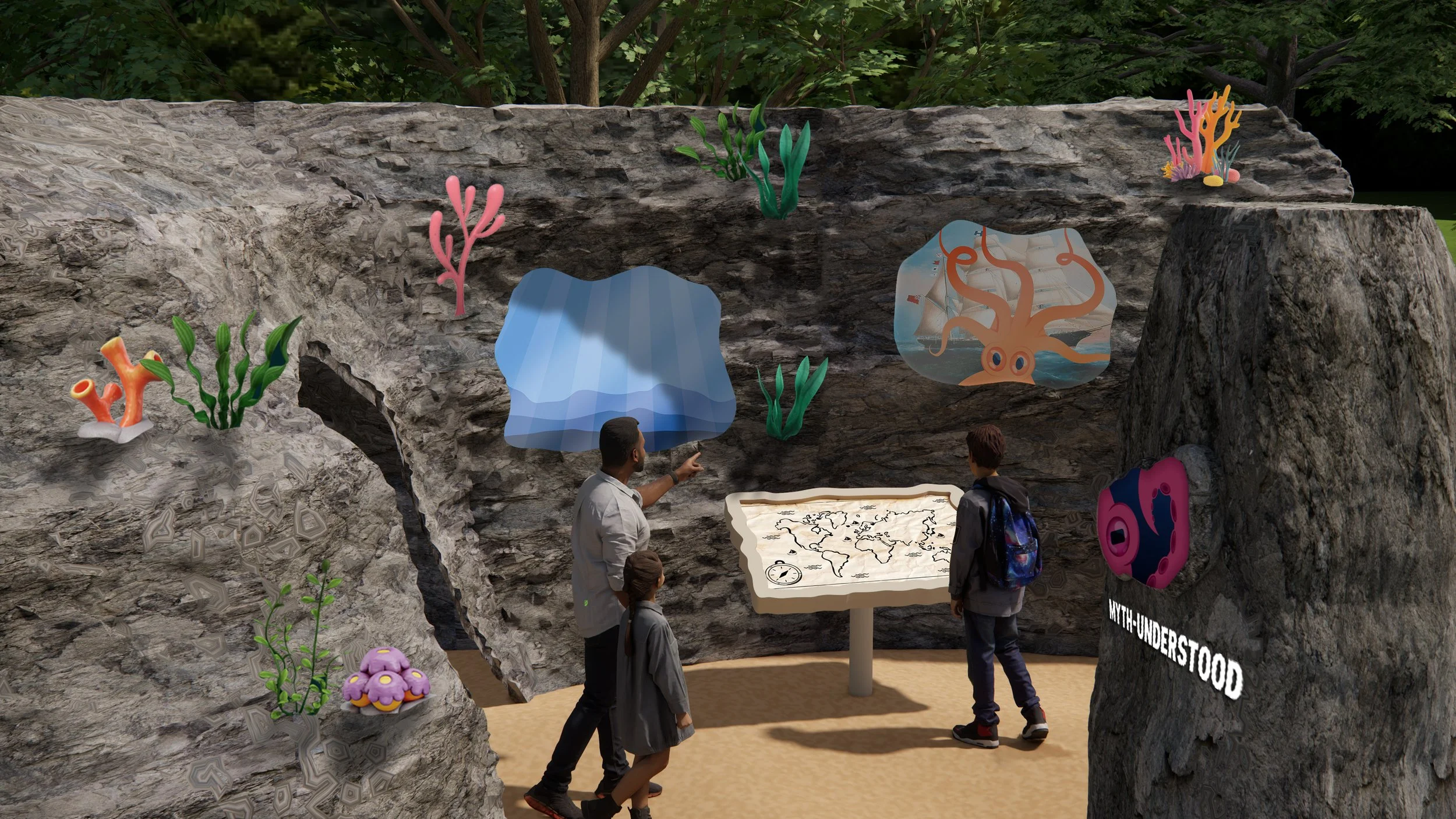
After creating the conceptual direction of our project, we moved onto developing the immersive space that visitors would interact with. Inspired by the habitat of Octopi, we created a cave-like space that felt like it was underwater. For the interactives, we designed two experiences for visitors. First, they would engage with a map and cave portholes do discover what myths the Octopus has been a part of. Once in the inner portion of the cave, visitors work together to play a game that is inspired by the protective nature of an Octopus mother.
Structural Mood Board
Sketches
Storyboard
Final Renderings
Outer Cave
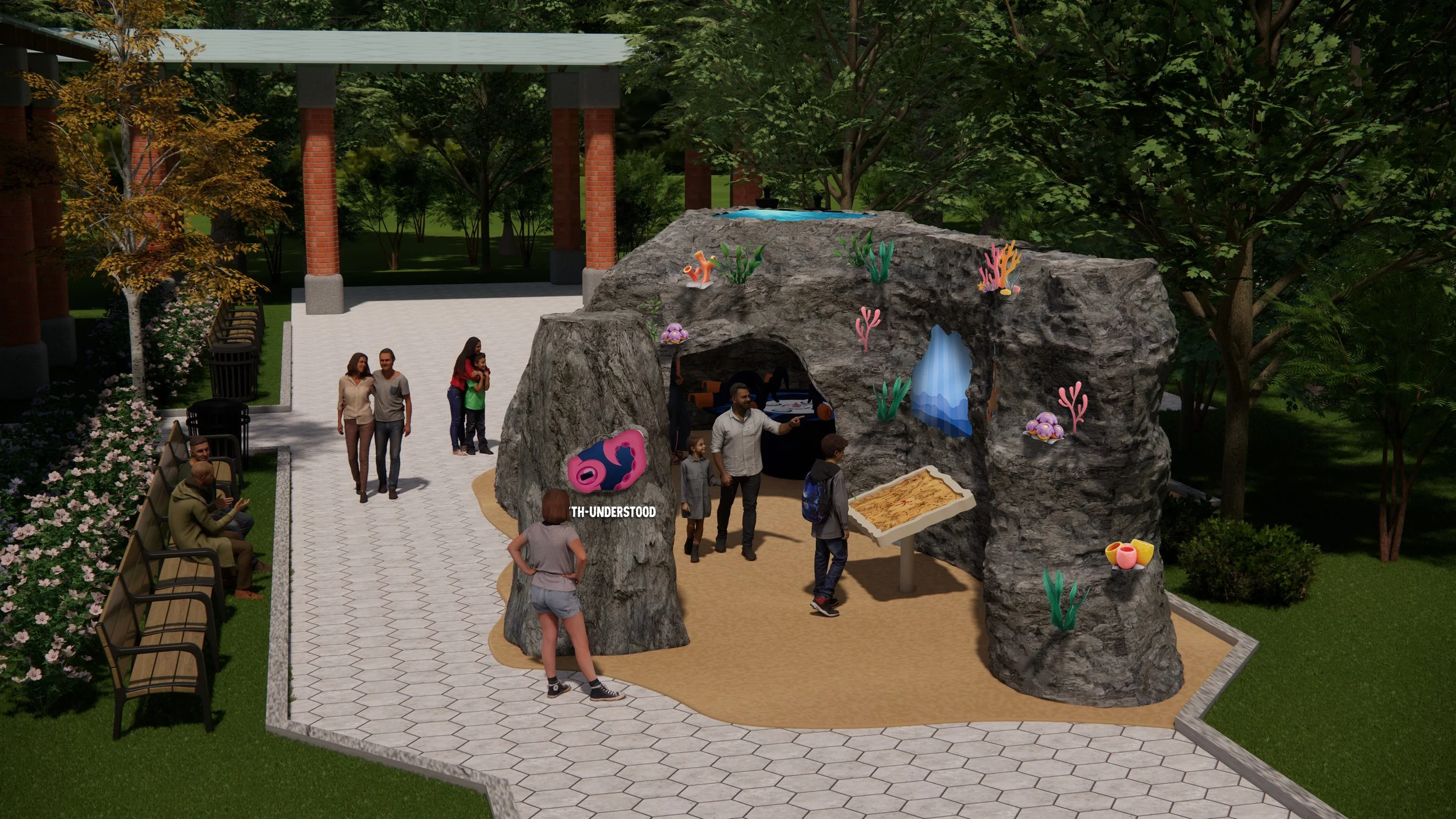
Exhibit Entrance
Map Interactive
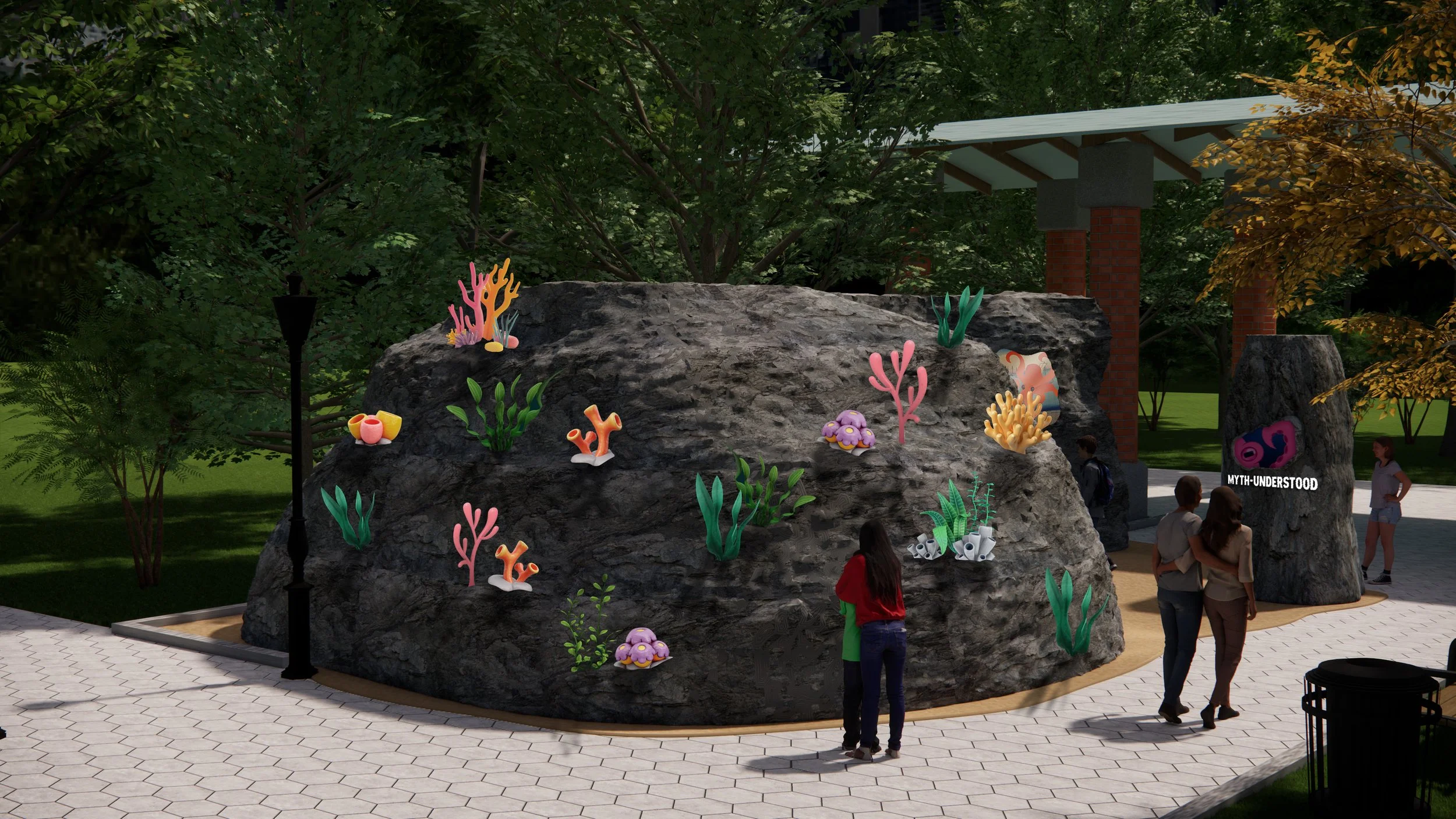
Find and Seek Back Wall
Inner Cave
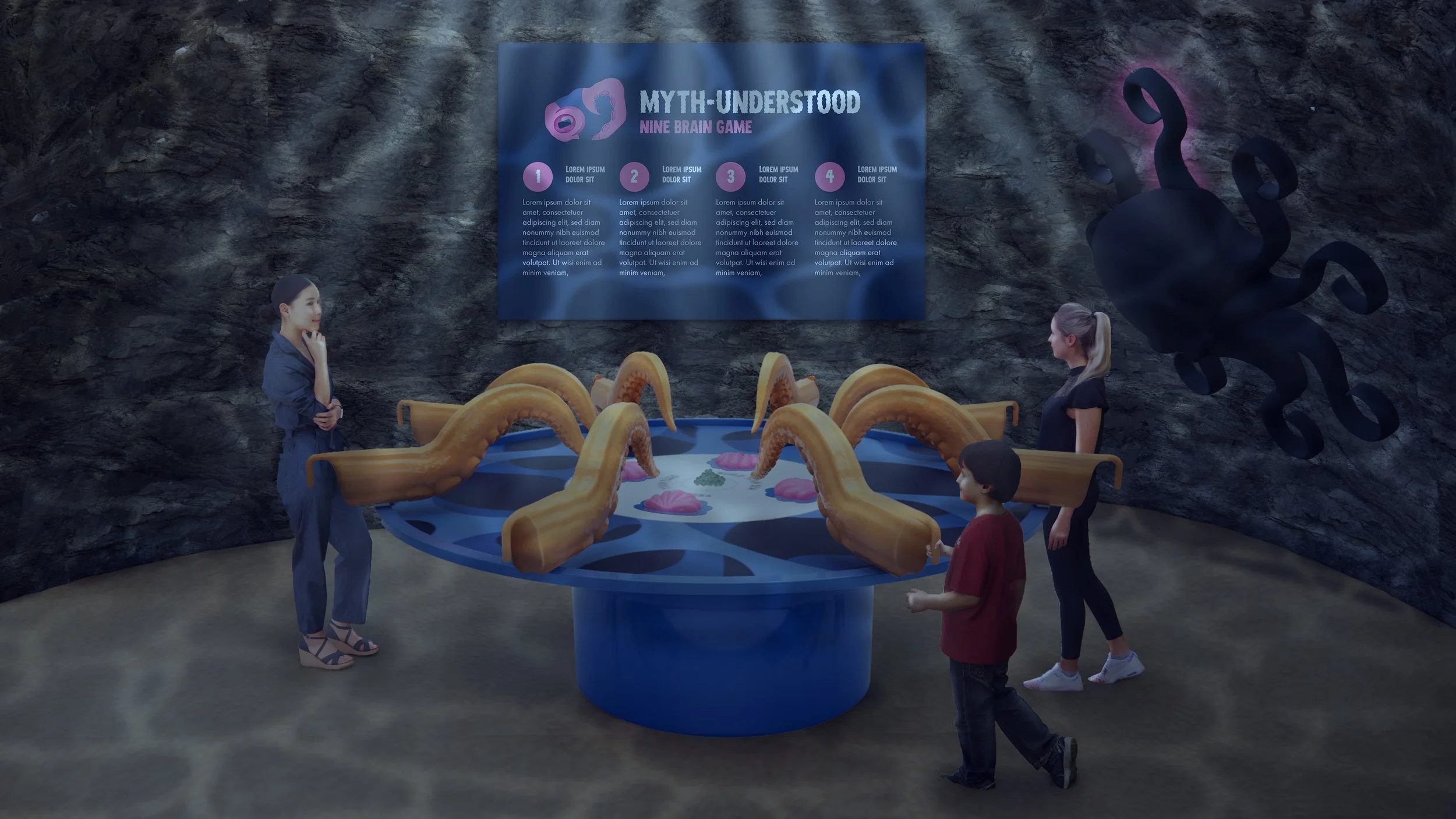
Cave Game
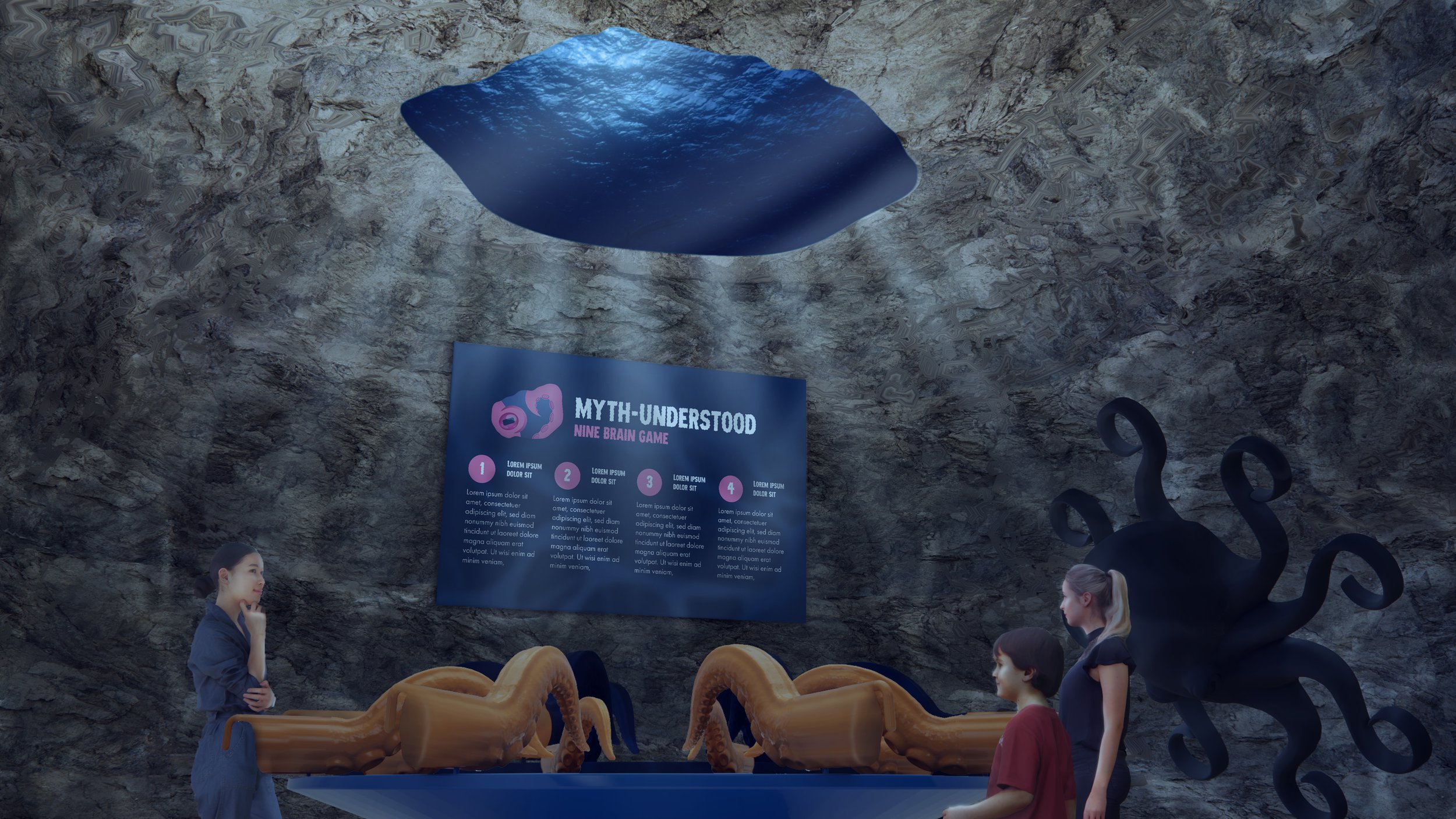
Skylight View
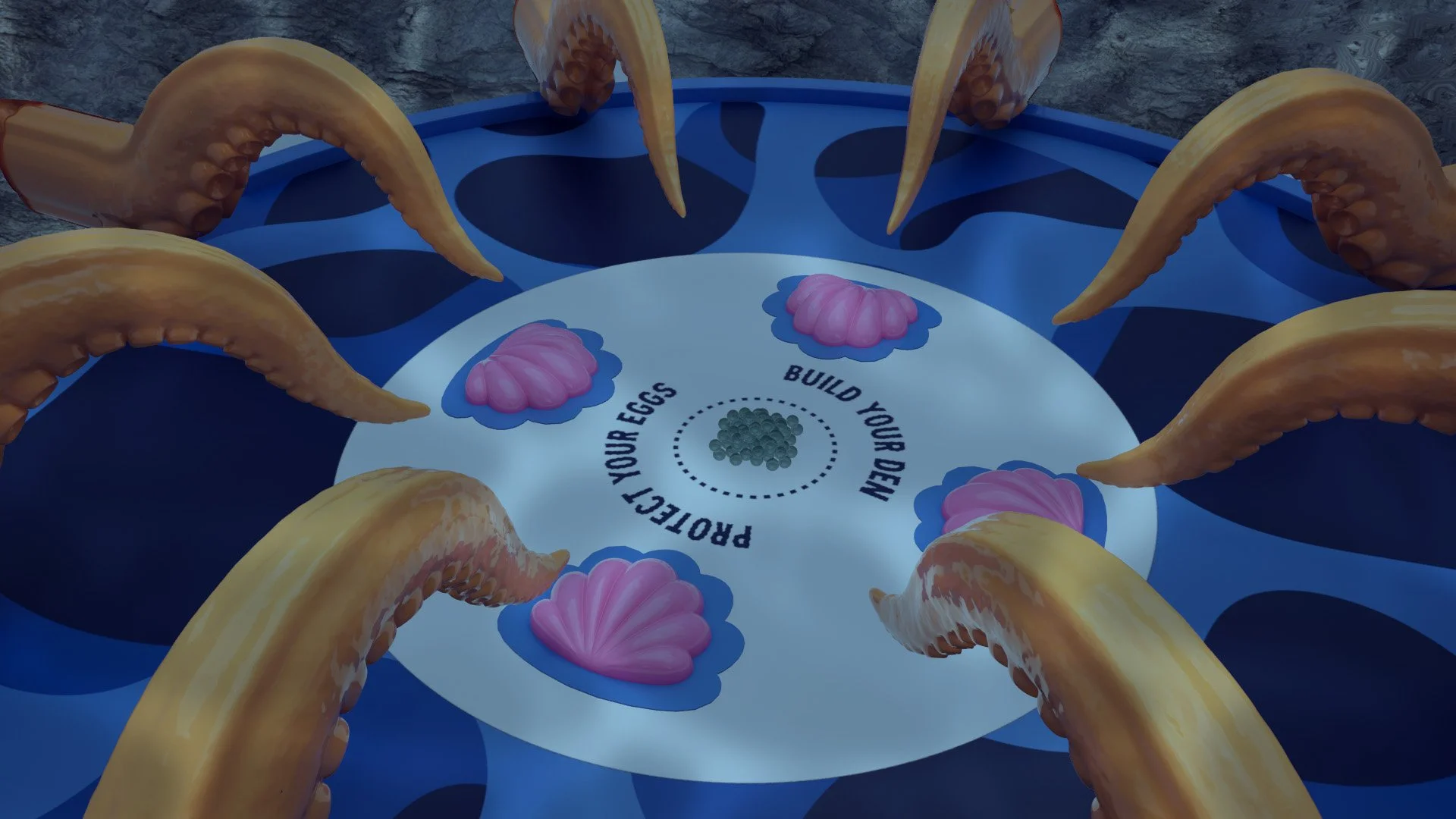
Game Detail